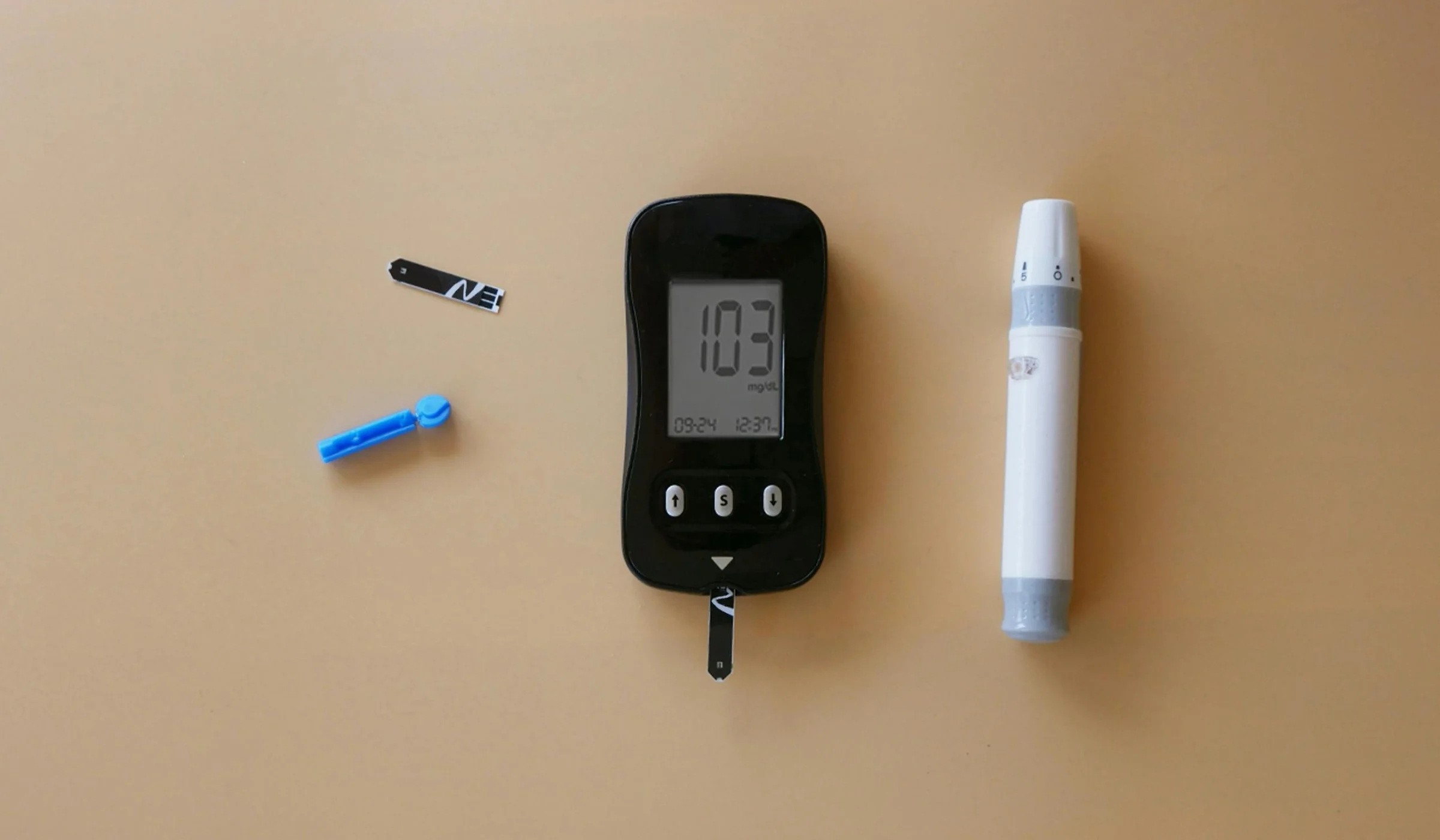
Your fasting glucose is 92 mg/dL. Your HbA1c is 5.3%. Your doctor tells you your blood sugar is perfectly normal. And in the traditional sense, it is. But what if that same "normal" fasting glucose masks postprandial spikes to 180 mg/dL after your morning oatmeal? What if your glucose crashes to 60 mg/dL at 3 p.m., driving the afternoon energy collapse you've attributed to not sleeping well? What if a night of poor sleep raises your fasting glucose by 15 points the next morning?
These patterns are invisible on a standard fasting lab draw. They're only visible when you watch glucose in real time, continuously, across days and weeks. That's what a continuous glucose monitor (CGM) provides, and for non-diabetic individuals interested in metabolic health, the data can be genuinely eye-opening.
At Griffin Concierge Medical in Tampa and St. Petersburg, we offer physician-guided CGM trials as part of our metabolic health assessment. Not as a permanent monitoring tool, but as a 30-day experiment that reveals how your body actually handles glucose, and gives us the data to build a personalized dietary and lifestyle framework that goes far beyond generic nutrition advice.
This article explains what a CGM measures, how we structure a metabolic health trial, what the data typically reveals, and when this information changes clinical decisions.
An estimated 88% of American adults have at least one marker of metabolic dysfunction, even among those with "normal" fasting glucose.
What Standard Labs Miss
The standard metabolic assessment relies on two primary tests: fasting glucose and HbA1c. Both are useful, and both have significant blind spots.
Fasting glucose measures blood sugar at a single point in time, typically first thing in the morning after an overnight fast. It tells you nothing about what happens after meals, how your body handles different types of carbohydrates, or how quickly glucose returns to baseline after eating. A fasting glucose of 90 mg/dL can coexist with postprandial spikes that regularly hit 170-180 mg/dL.
HbA1c reflects average glucose over the preceding 2-3 months. It's a useful screening tool, but an average obscures variability. A person with steady glucose around 100 mg/dL and a person who oscillates between 60 and 180 mg/dL can have identical HbA1c values, but their metabolic profiles are very different. High glucose variability, independent of average glucose, is increasingly recognized as a cardiovascular and metabolic risk factor.
Neither test captures what happens in real time. Neither shows you why you feel exhausted after lunch, why you can't focus at 3 p.m., why your energy is inconsistent despite eating "healthy," or why you're gaining weight despite exercising regularly. A CGM fills these gaps.
How a CGM Works
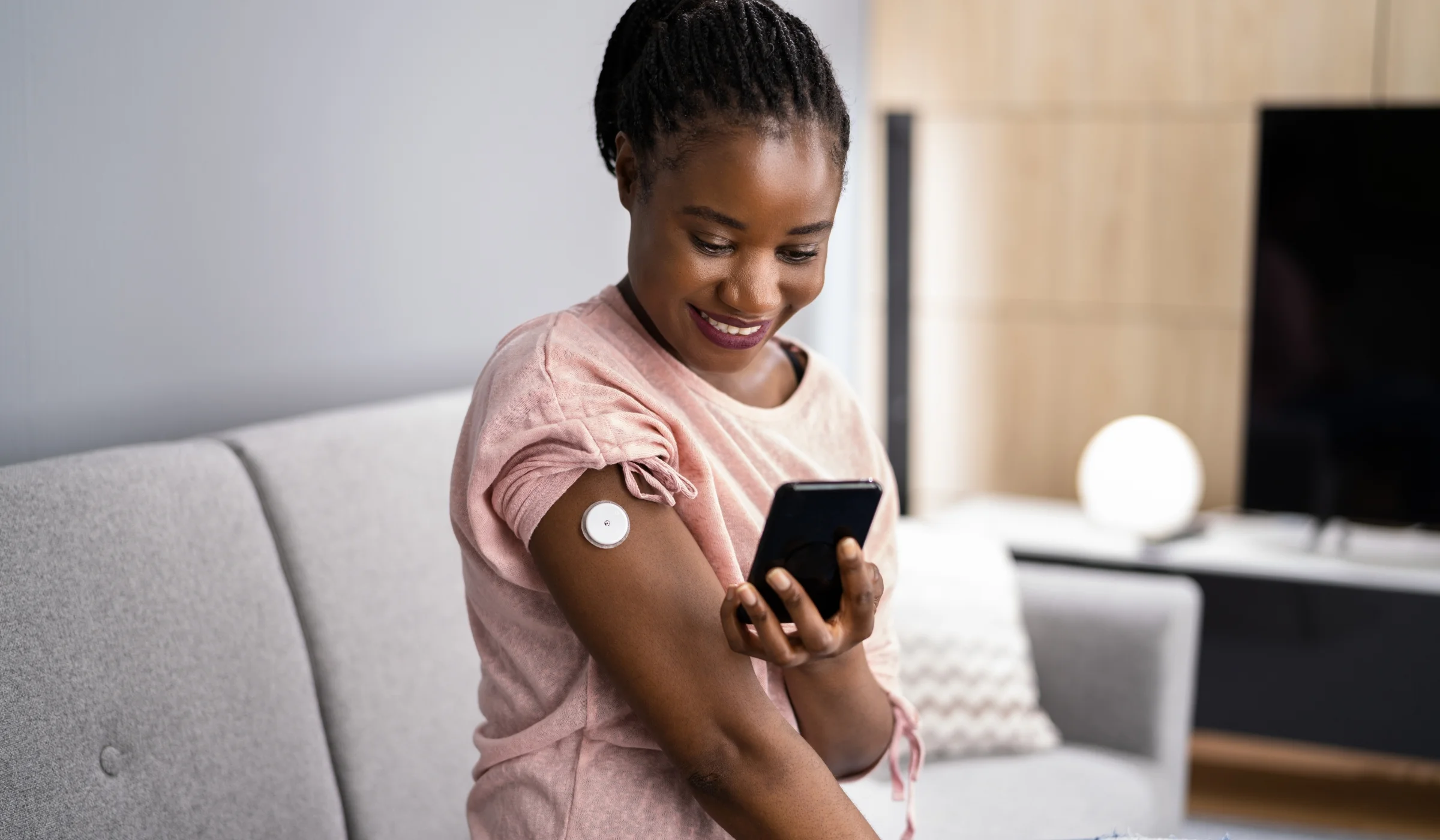
A continuous glucose monitor consists of a small sensor (about the size of a quarter) applied to the back of the upper arm. A tiny, flexible filament sits just under the skin in the interstitial fluid, measuring glucose every 1-5 minutes. The data is transmitted wirelessly to your phone, where it's displayed as a continuous tracing, essentially a real-time graph of your glucose throughout the day.
Each sensor lasts 10-14 days depending on the device. For a full metabolic health experiment, we recommend two sensors (28 days), which provides enough data to identify consistent patterns, test specific variables, and build actionable conclusions.
It's worth noting that CGMs measure interstitial glucose, which lags behind blood glucose by 5-15 minutes. This means a CGM is excellent for identifying patterns and trends but shouldn't be used to make real-time medical decisions (like insulin dosing) in non-diabetic individuals. The value is in the patterns, not any single reading.
"A CGM doesn't diagnose anything. What it does is reveal the conversation happening between your body and your food, a conversation that fasting labs only capture one word of."
Dr. Radley Griffin, Griffin Concierge MedicalThe 30-Day Experiment: How We Structure It
We don't hand members a CGM and say "go learn something." The value of CGM data is directly proportional to the structure around it. Here's how we organize a metabolic health trial:
Week 1: Baseline
Eat normally. Don't change anything about your diet or routine. The goal is to see your metabolic reality as it currently exists. This baseline week often contains the biggest surprises, members discover that their "healthy" breakfast produces a larger glucose spike than their occasional indulgent dinner, or that their afternoon energy crash correlates precisely with a glucose nadir following a midday spike.
Week 2: Food Testing
Systematically test individual foods and meals. Eat single-ingredient foods to see their isolated effect, then test common meals to see combined effects. Key experiments include:
- Your standard breakfast vs. a protein-first alternative
- White rice vs. brown rice vs. sweet potato vs. quinoa
- The same meal with and without a pre-meal walk
- The same food eaten at 8 a.m. vs. 8 p.m. (glucose handling often worsens later in the day)
- The effect of adding fat, protein, or fiber to a high-carbohydrate food
- Alcohol's effect on glucose, both the immediate response and next-morning fasting levels
Week 3: Lifestyle Variables
Test how non-dietary factors affect glucose. The findings here often surprise members more than the food testing:
- Sleep deprivation. Even one night of poor sleep can raise fasting glucose by 10-20 mg/dL and worsen postprandial handling the following day
- Exercise timing. A 15-minute walk after a meal can cut the glucose spike by 30-50%. Resistance training often improves glucose handling for 24-48 hours afterward
- Stress. Acute stress (a tense meeting, an argument) can raise glucose 20-40 mg/dL without eating anything, a cortisol-driven effect visible in real time
- Meal timing and order. Eating protein and vegetables before carbohydrates in the same meal significantly blunts the glucose response. This simple sequencing change is one of the most consistently impactful findings from CGM data
Week 4: Optimization
Apply what you've learned. Build an eating pattern based on the foods and habits that produced the best glucose responses for your body. This week serves as proof of concept, members typically see their glucose variability drop, their average glucose improve, and their energy stabilize as they implement the personalized insights from the first three weeks.
CGM Targets for Non-Diabetic Health
Optimization RangesStandard diabetes targets focus on avoiding dangerously high glucose. For metabolic optimization in non-diabetic individuals, we use tighter ranges that reflect what healthy, insulin-sensitive metabolism actually looks like:
Griffin Concierge Medical Targets
What CGM Data Typically Reveals
After guiding hundreds of CGM trials, certain patterns emerge consistently. Here's what we see most often:
- Breakfast is frequently the worst meal for glucose. Many members discover that their breakfast, often carbohydrate-heavy (cereal, toast, oatmeal, fruit smoothie), produces the largest glucose spike of the day. Switching to a protein-forward breakfast (eggs, Greek yogurt, protein shake) often produces the single biggest improvement in daily glucose metrics.
- The same food produces different responses in different people. Research from the Weizmann Institute's landmark 2015 study confirmed what CGM data shows every day: glycemic response is highly individual. One member may handle white rice well and spike dramatically after a banana, while another shows the opposite pattern. This is why generic glycemic index charts are limited, they reflect population averages, not your metabolism.
- Exercise timing matters more than exercise duration. A short walk after eating has a dramatically larger effect on post-meal glucose than a longer workout separated from meals by hours. The most metabolically effective exercise habit is the simplest: walk for 10-15 minutes after your largest meals.
- Sleep is a metabolic lever. Poor sleep quality doesn't just affect energy, it measurably impairs glucose handling the following day. Members who improve their sleep (often visible in their wearable data) see corresponding improvements in their CGM data without changing anything about their diet.
- Stress spikes are real and visible. The cortisol-glucose connection isn't abstract, it's visible on a CGM tracing in real time. Members see their glucose rise during stressful meetings, traffic, or arguments, without consuming anything. This visceral demonstration of the stress-metabolism connection often motivates stress management more effectively than any lecture.
- Food order matters as much as food choice. Eating protein and vegetables before carbohydrates in the same meal consistently blunts glucose spikes by 20-40%. This "food sequencing" strategy is one of the simplest and most reliable metabolic tools we see on CGM data.
The Morning Oatmeal Discovery
A female member in her mid-40s came to us for fatigue evaluation. Her labs showed borderline fasting glucose (95 mg/dL), mildly elevated fasting insulin, and an HbA1c of 5.4%, all technically "normal." She ate what she described as a very healthy diet: oatmeal with fruit for breakfast, salad for lunch, and balanced dinners. She exercised regularly but reported persistent afternoon energy crashes and difficulty losing the last ten pounds despite being active.
Her CGM data told a different story. Her "healthy" oatmeal breakfast produced consistent glucose spikes to 165-175 mg/dL, followed by reactive drops to 70-75 mg/dL by mid-morning, exactly the spike-crash pattern that drives hunger, cravings, and fatigue. Her lunches and dinners, which included more protein and fat, produced much more controlled glucose responses (peaks under 120 mg/dL).
We restructured her breakfast to prioritize protein (eggs, avocado, small portion of berries) and moved her oatmeal to a post-dinner dessert when her glucose handling was better contextualized by the protein and fat already consumed. Her post-meal spikes dropped below 120 mg/dL consistently, her afternoon crashes disappeared, and over two months, without changing her caloric intake, she lost the weight she'd been struggling with.
Her standard labs had said "normal." Her CGM data showed her exactly what to fix.
CGM Data Meets Lab Data: The Complete Metabolic Picture
A CGM trial is most valuable when interpreted alongside metabolic lab work. The CGM shows what's happening in real time; the labs explain why. At Griffin Concierge Medical, we pair CGM data with:
- Fasting insulin and HOMA-IR. Elevated fasting insulin is the earliest marker of insulin resistance, often present years before glucose becomes abnormal. A CGM member with high glucose variability and elevated fasting insulin has a very different clinical picture than one with variability but normal insulin.
- HbA1c. The CGM provides the "movie" that the HbA1c "snapshot" summarizes. Discordance between the two (e.g., normal HbA1c but high CGM variability) is itself clinically meaningful.
- Triglycerides and HDL. The metabolic pattern of low HDL with elevated triglycerides often correlates with poor CGM glucose patterns, both are driven by the same underlying insulin resistance.
- hsCRP and inflammatory markers. Chronic inflammation impairs insulin signaling. Members with elevated inflammatory markers often show worse glucose handling on CGM than their labs alone would predict.
- Cortisol pattern. For members with suspected stress-driven metabolic dysfunction, comparing CGM data with their cortisol pattern and wearable stress/recovery data creates a comprehensive picture of how stress is affecting their metabolism.
The Behavioral Trap: What to Watch For
CGMs aren't without downsides, and we'd be irresponsible not to address them. The most significant risk for non-diabetic users is developing an unhealthy relationship with the data:
- Normal fluctuations are not pathological. Glucose is supposed to rise after meals and return to baseline. A spike to 130 mg/dL after a balanced meal with complex carbohydrates is physiologically normal, not a failure to optimize.
- Over-restriction is counterproductive. Some people become so focused on minimizing glucose spikes that they eliminate healthy foods (fruit, whole grains, starchy vegetables) that have well-documented health benefits. Metabolic health is about the overall pattern, not about flatlining your glucose at all costs.
- CGMs measure glucose, not health. A flat glucose line doesn't mean you're metabolically optimal. If you achieve it by eating nothing but fat and protein, you're potentially missing fiber, micronutrients, and phytochemicals that matter for long-term health.
This is precisely why physician guidance during a CGM trial matters. We frame the data in clinical context, prevent over-interpretation of normal patterns, and ensure that dietary changes motivated by CGM data actually improve overall health rather than just one metric.
Who Should Consider a CGM Trial?
A CGM metabolic health experiment is most valuable for:
- Individuals with borderline metabolic markers (fasting glucose 90-99, HbA1c 5.5-5.6, elevated fasting insulin) who want to understand their trajectory
- Anyone with a strong family history of type 2 diabetes
- People experiencing unexplained fatigue, energy crashes, or difficulty with body composition despite "doing everything right"
- Athletes and high-performers interested in optimizing fueling strategies around training
- Members already working on stress and cortisol management who want to see the metabolic impact in real time
- Anyone simply curious about their metabolic health, CGM data is educational even for people who discover their metabolism is working exactly as it should
Key Takeaways
- Standard fasting labs miss the metabolic movie. A single fasting glucose tells you almost nothing about how your body handles food throughout the day.
- Glycemic response is highly individual. The same food produces different glucose responses in different people. A CGM shows you your response, not a population average.
- A structured 30-day trial produces actionable insight. Baseline, food testing, lifestyle variables, and optimization, each week has a purpose.
- Breakfast is often the biggest opportunity. Switching from carbohydrate-heavy to protein-forward breakfasts is the most common high-impact change we see.
- Sleep, stress, exercise timing, and food order all affect glucose. Non-dietary factors are often as impactful as food choice itself.
- CGM data is most powerful paired with metabolic labs. Fasting insulin, HOMA-IR, triglycerides, and inflammatory markers explain what the CGM data is showing.
- Physician guidance prevents over-optimization. Not every glucose spike is a problem. Clinical context separates actionable patterns from normal physiology.
Frequently Asked Questions
No. While CGMs were originally developed for diabetes management, they provide valuable metabolic insight for non-diabetic individuals, particularly those with insulin resistance risk factors, a family history of diabetes, metabolic syndrome, or anyone interested in understanding how their body processes food. A short-term CGM trial (2-4 weeks) can reveal patterns invisible on standard fasting labs, including postprandial glucose spikes, the glycemic impact of specific foods, and the effect of exercise, sleep, and stress on glucose regulation.
For non-diabetic individuals, Griffin Concierge Medical targets the following ranges: fasting glucose between 72-85 mg/dL, average glucose below 100 mg/dL, postprandial peaks below 140 mg/dL (ideally below 120 mg/dL), glucose variability (standard deviation) below 20 mg/dL, and time in range (70-120 mg/dL) above 90%. These are tighter targets than diabetes management ranges and reflect an optimization mindset.
Without insurance coverage, CGM sensors cost approximately $75-150 per two-week sensor through consumer platforms like Levels, Nutrisense, or Signos, which include app access and sometimes dietitian support. A one-month trial typically runs $150-300. Griffin Concierge Medical can prescribe CGMs directly and guide interpretation of the data alongside your metabolic lab work.
The two most commonly used CGMs for metabolic health are the Abbott FreeStyle Libre and the Dexcom G7. The Libre is more affordable and widely available. The Dexcom G7 offers continuous real-time streaming to your phone without scanning. Both provide clinically useful data. For a short-term metabolic experiment, the Libre is typically the most practical option.
This is a legitimate concern. Some people develop an unhealthy fixation on their glucose numbers, restricting foods that produce normal, physiological glucose responses. This is why physician guidance matters during a CGM trial. Normal, healthy glucose fluctuates after meals, a spike to 130 mg/dL after a balanced meal is not pathological. The goal is to identify genuinely problematic patterns, not to optimize every reading to flatline. We frame CGM data as an educational tool, not a permanent monitoring system.
We recommend a minimum of two weeks and ideally four weeks. The first week serves as baseline data collection with your normal eating habits. Subsequent weeks allow you to test specific variables: individual foods, meal timing, exercise effects, sleep impact, and stress responses. Four weeks provides enough data to identify consistent patterns and build a personalized dietary and lifestyle framework.