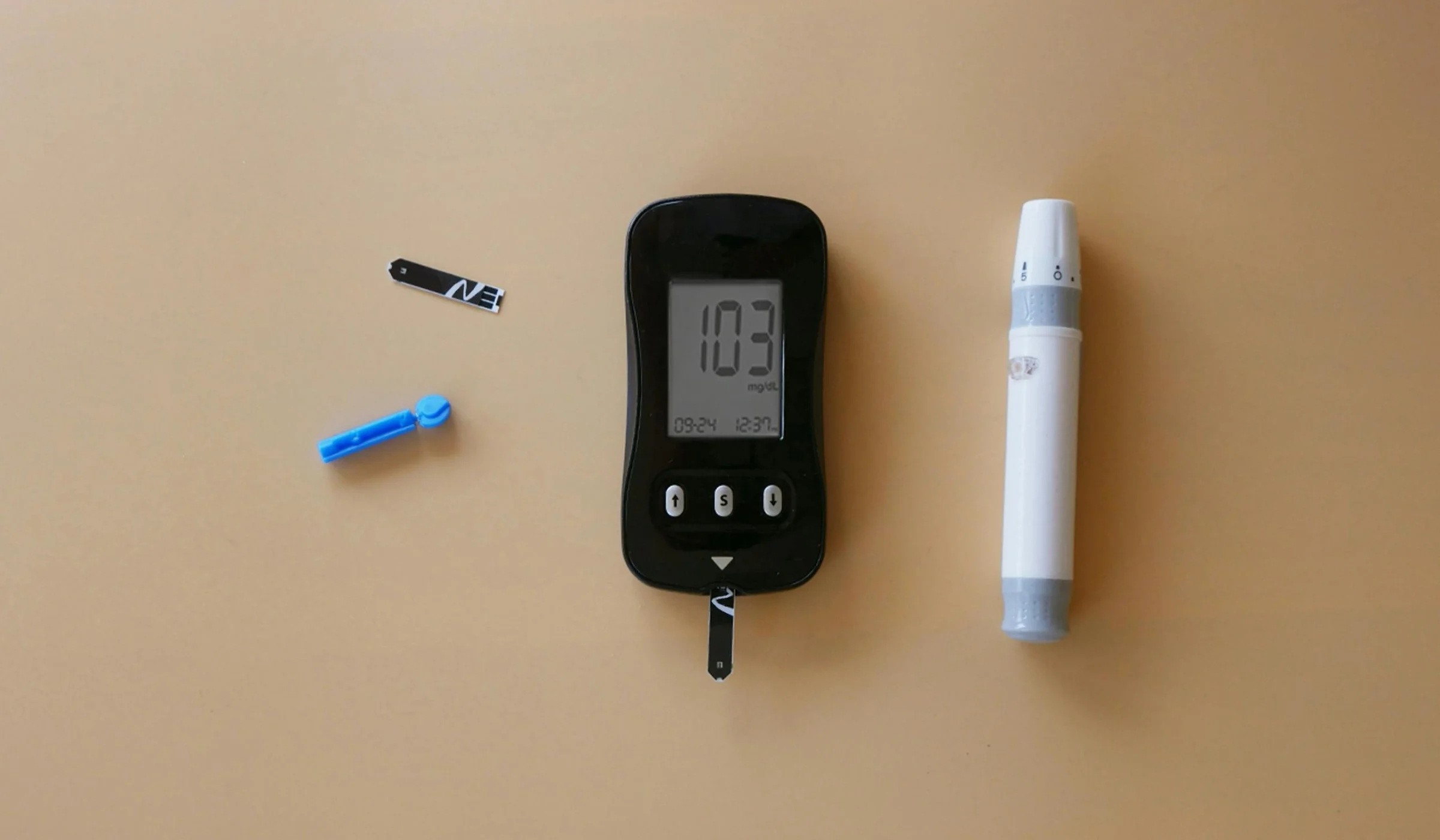
Insulin resistance may be the most consequential condition that standard medicine routinely fails to test for. It drives weight gain that diet and exercise can't seem to fix. It creates afternoon energy crashes that no amount of coffee resolves. It impairs focus and memory in ways that feel like aging but aren't. It accelerates cardiovascular disease, disrupts hormones, promotes inflammation, and sets the stage for type 2 diabetes, often a decade or more before glucose becomes abnormal.
And the standard metabolic panel doesn't test for it.
This isn't a theoretical problem. An estimated 40% of American adults aged 18-44 have some degree of insulin resistance. Many have no idea because their fasting glucose looks normal. By the time glucose rises into the prediabetic or diabetic range, insulin resistance has typically been present for years, driving symptoms and damage that could have been addressed far earlier.
At Griffin Concierge Medical in Tampa and St. Petersburg, we test for insulin resistance as part of our routine metabolic assessment. Fasting insulin, HOMA-IR, and a complete metabolic panel are standard, not add-ons reserved for patients who already have diabetes. This article explains what insulin resistance is, how it produces the symptoms you're experiencing, why standard labs miss it, and what actually works to reverse it.
Estimated percentage of U.S. adults aged 18-44 with insulin resistance, most of whom have "normal" fasting glucose.
What Insulin Actually Does
To understand insulin resistance, you first need to understand insulin. Insulin is a hormone produced by the beta cells of the pancreas, and its primary job is to move glucose from the bloodstream into cells where it can be used for energy. When you eat, glucose enters your blood, insulin is released, cells absorb the glucose, and blood sugar returns to baseline.
But insulin does far more than regulate glucose. It's a master metabolic hormone with effects across nearly every organ system:
- Fat storage. Insulin signals fat cells to absorb fatty acids and store them as triglycerides. When insulin is high, the body is in storage mode, it preferentially deposits fat and simultaneously inhibits the breakdown of existing fat stores. This is why elevated insulin is fundamentally a fat-storage signal.
- Protein synthesis. Insulin promotes muscle protein synthesis and inhibits protein breakdown. This is one reason insulin-resistant patients often lose lean mass while gaining fat, the metabolic environment favors fat storage over muscle building.
- Inflammation. Chronically elevated insulin promotes inflammatory signaling pathways, including NF-κB activation and elevated inflammatory cytokines. This creates a self-reinforcing cycle: inflammation worsens insulin resistance, and insulin resistance increases inflammation.
- Hormone regulation. Insulin affects the production and metabolism of sex hormones, thyroid hormones, and cortisol. Insulin resistance is directly linked to declining testosterone in men, PCOS in women, and impaired thyroid conversion.
- Brain function. The brain is insulin-sensitive. Insulin resistance in the brain impairs glucose uptake by neurons, reduces neurotransmitter signaling, and is increasingly recognized as a driver of cognitive decline. Some researchers refer to Alzheimer's disease as "type 3 diabetes."
The Compensation Phase: Why Glucose Stays Normal
This is the critical concept that explains why standard labs miss insulin resistance: when cells become resistant to insulin's signal, the pancreas responds by producing more insulin. If cells need twice the normal insulin to absorb glucose, the pancreas makes twice as much. The result? Glucose stays normal. The standard lab looks fine. Your doctor says everything is good.
But everything is not good. The elevated insulin, the body's compensation mechanism, is itself causing damage. Fat storage accelerates. Inflammation increases. Hormones shift. The cardiovascular system takes on additional stress. The brain's glucose uptake declines. All of this happens while glucose remains in the "normal" range.
This compensation phase can last 5-15 years. Eventually, the pancreas can no longer keep up, insulin production begins to falter, and glucose finally rises, first into the prediabetic range (100-125 mg/dL fasting), then into frank diabetes (126+). By the time glucose is abnormal, the metabolic damage has been accumulating for years.
The only way to catch insulin resistance during the compensation phase, when it's most reversible, is to measure insulin directly.
"Waiting for glucose to become abnormal before diagnosing insulin resistance is like waiting for a building to collapse before acknowledging the foundation is cracked. The crack was there for years. You just weren't looking at the foundation."
Dr. Radley Griffin, Griffin Concierge MedicalThe Symptoms Most People Don't Connect to Insulin
Insulin resistance doesn't present as a single symptom, it presents as a cluster of seemingly unrelated complaints that patients (and often their doctors) attribute to stress, aging, poor sleep, or bad luck. The constellation typically includes:
- Stubborn weight gain, especially around the midsection. Visceral fat accumulation is one of the earliest visible signs of insulin resistance. The fat deposited around the abdomen is metabolically active and further drives insulin resistance, another self-reinforcing cycle.
- Persistent fatigue, especially after meals. The paradox of insulin resistance: cells can't efficiently access glucose for energy despite having plenty of glucose available. The result is cellular energy deficit that manifests as fatigue, even after eating.
- Brain fog and cognitive decline. Impaired cerebral glucose utilization affects memory, focus, processing speed, and executive function. Many patients in their 40s and 50s attribute this to normal aging. Often, it's metabolic.
- Afternoon energy crashes. The spike-and-crash pattern visible on CGM data, glucose shoots up after a carbohydrate-heavy meal, insulin overcompensates, glucose drops below baseline, and the patient hits a wall of fatigue and cravings.
- Difficulty losing weight despite effort. This is the hallmark frustration. The hormonal environment of insulin resistance (high insulin = fat storage mode) makes conventional calorie restriction less effective. The body resists fat mobilization because the hormonal signal says "store, don't burn."
- Sugar and carbohydrate cravings. Insulin resistance impairs the brain's ability to sense satiety from glucose. Cells are "hungry" despite adequate blood sugar. The brain drives cravings for quick energy, sugar, refined carbohydrates, which further worsens the problem.
- Skin changes. Acanthosis nigricans (darkened, velvety skin patches, typically on the neck, armpits, or groin) and skin tags are clinical signs associated with insulin resistance and hyperinsulinemia.
The Lab Panel That Actually Catches It
At Griffin Concierge Medical, our metabolic assessment goes well beyond fasting glucose:
Fasting Insulin
Earliest MarkerFasting insulin is the single most important test for early insulin resistance detection. It rises years before glucose does, making it the earliest available signal that metabolic dysfunction is developing. Standard labs rarely include it. We always do.
Target Ranges
HOMA-IR
Resistance IndexHOMA-IR combines fasting insulin and fasting glucose into a single index of insulin resistance. The formula is simple: (fasting insulin × fasting glucose) / 405. A higher HOMA-IR indicates greater resistance. This calculated value provides more clinical information than either number alone because it captures the relationship between glucose production and insulin response.
Target Ranges
We also assess these markers in the context of a complete metabolic picture, including triglycerides and HDL ratio (a powerful pattern on the standard lipid panel), HbA1c, uric acid (often elevated with insulin resistance), liver enzymes (fatty liver is an early consequence of insulin resistance), hsCRP (inflammatory marker), and waist circumference (a simple but telling physical measurement).
What Drives Insulin Resistance?
Insulin resistance develops through multiple converging pathways. Understanding the drivers in an individual patient determines which interventions will be most effective:
- Excess visceral adiposity. Visceral fat is the single strongest modifiable driver. Fat cells, particularly visceral fat, secrete inflammatory adipokines and free fatty acids that directly impair insulin signaling in the liver and muscles. Reducing visceral fat, even modestly, produces disproportionate improvements in insulin sensitivity.
- Chronic carbohydrate overload. Not all carbohydrates are equal, but chronically high refined carbohydrate intake (processed foods, sugar, white flour products, sugary beverages) keeps insulin perpetually elevated, which over time reduces cellular responsiveness to the hormone.
- Sedentary behavior. Skeletal muscle is the body's largest glucose sink. When muscles are underused, their insulin sensitivity declines. Conversely, resistance training and even moderate walking improve insulin sensitivity within hours, one of the most immediately responsive interventions available.
- Poor sleep. Sleep deprivation impairs insulin sensitivity within days. Research shows that restricting sleep to four hours per night for just one week reduces insulin sensitivity by approximately 30%. This is visible on CGM data the morning after poor sleep.
- Chronic stress. Cortisol elevation directly increases insulin resistance by stimulating hepatic glucose production and impairing peripheral glucose uptake. Stress-driven insulin resistance often explains why high-performing, disciplined individuals develop metabolic problems despite apparently healthy habits.
- Genetics. Family history of type 2 diabetes significantly increases predisposition. But genetics loads the gun, lifestyle pulls the trigger. Even strong genetic risk can be substantially mitigated with early detection and targeted intervention.
Normal Labs, Abnormal Metabolism
A male member in his late 30s came to us with three complaints: he couldn't lose the 15 pounds that had accumulated around his midsection over the past two years despite regular exercise, his energy crashed every afternoon around 2-3 p.m., and his focus at work had noticeably declined. His previous physician had ordered a standard metabolic panel, fasting glucose 94 mg/dL, HbA1c 5.4%, total cholesterol "fine", and told him everything was normal. He was advised to "exercise more and cut calories."
Our panel included fasting insulin, which came back at 18 µIU/mL, three times what we consider optimal. His HOMA-IR was 4.2, indicating significant insulin resistance. His triglyceride-to-HDL ratio was 3.8 (we target below 1.5). His liver enzymes were mildly elevated, consistent with early fatty liver. His CGM data showed postprandial glucose spikes routinely exceeding 160 mg/dL with reactive hypoglycemic dips to the low 70s, the classic spike-crash pattern driving his afternoon crashes.
His glucose was "normal" because his pancreas was working overtime to keep it there. The compensation was the problem.
We implemented a structured intervention: protein-forward dietary restructuring (guided by his CGM data), progressive resistance training program, sleep optimization, and targeted supplementation (berberine, chromium, magnesium). No medication was needed. At his four-month follow-up, fasting insulin had dropped to 7 µIU/mL, HOMA-IR had normalized to 1.5, he had lost 12 pounds (primarily visceral fat as measured by waist circumference), and his afternoon energy crashes had resolved. His CGM data showed consistent postprandial glucose below 120 mg/dL.
Standard labs would have continued calling this "normal" for potentially another decade, until his glucose finally rose into the prediabetic range and the damage was far less reversible.
Treatment: Reversing the Resistance
The good news about insulin resistance is that it's remarkably responsive to intervention, especially when caught early. Our treatment approach is layered, starting with the highest-impact lifestyle modifications and adding medical interventions when the clinical picture warrants it:
Dietary Restructuring
Not calorie restriction, restructuring. The goal is to reduce the insulin demand of every meal. In practice, this means prioritizing protein and non-starchy vegetables at every meal, reducing (not eliminating) refined carbohydrates and added sugars, implementing food sequencing (protein and vegetables before carbohydrates), distributing carbohydrate intake rather than loading it into one meal, and matching carbohydrate intake to activity level and individual glucose response. CGM data makes dietary optimization dramatically more precise by showing each member exactly how their body handles specific foods.
Exercise, The Right Kind
Both resistance training and aerobic exercise improve insulin sensitivity, but they do so through different mechanisms. Resistance training increases the size of the glucose sink (skeletal muscle mass) and improves glucose transporter expression. A single resistance training session can improve insulin sensitivity for 24-48 hours. Aerobic exercise improves cardiovascular fitness and mitochondrial function. Walking after meals (even 10-15 minutes) has a disproportionately large effect on postprandial glucose. The minimum effective dose for metabolic benefit is lower than most people think: three sessions of resistance training per week plus daily post-meal walking produces measurable improvements within weeks.
Sleep Optimization
Seven to nine hours of quality sleep isn't a luxury for insulin-resistant patients, it's metabolic medicine. Sleep deprivation impairs insulin sensitivity by approximately 30% within one week. We use wearable data to assess sleep quality objectively and implement targeted sleep protocols when sleep architecture is compromised.
Stress Management
Cortisol-driven insulin resistance won't respond fully to dietary and exercise intervention alone. When cortisol dysregulation is contributing to the metabolic picture, addressing the HPA axis is a necessary part of the treatment plan.
Medical Interventions (When Appropriate)
For patients with moderate-to-severe insulin resistance who need additional pharmacological support, we consider metformin (improves hepatic insulin sensitivity, well-studied safety profile, relatively inexpensive), GLP-1 receptor agonists (semaglutide, tirzepatide, improve insulin sensitivity, reduce appetite, promote meaningful weight loss), and berberine (a natural compound with metformin-like effects on glucose metabolism, used when pharmaceutical intervention isn't necessary or preferred). Medication decisions are individualized based on the severity of resistance, the presence of comorbidities, the patient's treatment goals, and their response to lifestyle modifications.
Key Takeaways
- Insulin resistance precedes diabetes by years to decades. By the time glucose is abnormal, the metabolic damage is well established. Testing insulin directly catches it at the most reversible stage.
- Fasting glucose alone misses the problem. The pancreas compensates by producing more insulin, keeping glucose normal while the metabolic environment deteriorates.
- Fasting insulin and HOMA-IR are essential tests. They should be part of every routine metabolic assessment. They aren't part of the standard panel, ask for them.
- Symptoms are real but often misattributed. Fatigue, brain fog, stubborn weight gain, and energy crashes are frequently caused by insulin resistance rather than aging, stress, or poor willpower.
- Insulin resistance is reversible. Dietary restructuring, resistance training, sleep optimization, and stress management produce measurable improvements, especially when caught early.
- CGM data and metabolic labs together tell the full story. Real-time glucose data shows what's happening; insulin and metabolic markers explain why.
- The cardiovascular connection is direct. Insulin resistance drives the same atherogenic pattern we assess with advanced cardiac biomarkers, elevated triglycerides, low HDL, inflammation, and visceral fat accumulation.
Frequently Asked Questions
Insulin resistance occurs when cells in the muscles, fat, and liver don't respond efficiently to insulin, the hormone that signals cells to absorb glucose from the bloodstream. To compensate, the pancreas produces more insulin, keeping glucose levels normal but at the cost of chronically elevated insulin. This hyperinsulinemic state drives fat storage, inflammation, hormonal disruption, and cardiovascular risk, often for years before glucose itself becomes abnormal.
Most standard primary care panels include fasting glucose and HbA1c but not fasting insulin. Clinical guidelines focus on glucose-based diagnosis of diabetes, not the earlier insulin-based detection of resistance. At Griffin Concierge Medical, we include fasting insulin and calculate HOMA-IR as part of routine metabolic assessment because insulin rises years before glucose does, giving us a much earlier detection window.
HOMA-IR (Homeostatic Model Assessment of Insulin Resistance) is calculated from fasting glucose and fasting insulin: (fasting insulin × fasting glucose) / 405. Values below 1.0 indicate optimal insulin sensitivity, 1.0-1.9 is normal, 2.0-2.9 suggests early insulin resistance, and 3.0 or above indicates significant resistance. Griffin Concierge Medical targets HOMA-IR below 1.5 for optimal metabolic health.
Yes, insulin resistance is reversible in the majority of cases, particularly when caught early. The most effective interventions are dietary changes (reducing refined carbohydrates, increasing protein and fiber), regular exercise (both resistance training and aerobic activity), weight loss (even 5-10% body weight), adequate sleep, and stress management. For some patients, medications like metformin or GLP-1 receptor agonists may be appropriate adjuncts.
Yes. Elevated insulin is fundamentally a fat-storage signal. When insulin is chronically high, the body preferentially stores calories as fat and simultaneously makes it harder to access stored fat for energy. This is why many insulin-resistant patients gain weight despite eating reasonably and exercising regularly. Addressing insulin resistance often "unlocks" fat loss that was previously resistant to conventional dieting.
Insulin resistance is a primary driver of cardiovascular disease through multiple pathways: it promotes the atherogenic lipid pattern (elevated triglycerides, low HDL, small dense LDL), increases chronic inflammation, raises blood pressure, promotes endothelial dysfunction, and accelerates plaque formation. This is why we assess metabolic and cardiovascular markers together at Griffin Concierge Medical.